Offshore development

Offshore software development

Offshore development and software outsourcing from Lebanon. Named engineers on your hours. You own the code.

Definition

What is offshore software development?

Offshore software development is software outsourcing to a named team in another country, working on your product, inside your tools, during your day. MoonDev does that from Lebanon, with the same studio behind our public web, 3D and AI projects.

Projects

Live work

Each one runs in the browser. Open any of them on your phone.

Fly Event Management — Websites by MoonDev

Websites

Fly Event Management

Fly Event Management: corporate site and custom CMS for an events company in the UAE, KSA and Qatar.
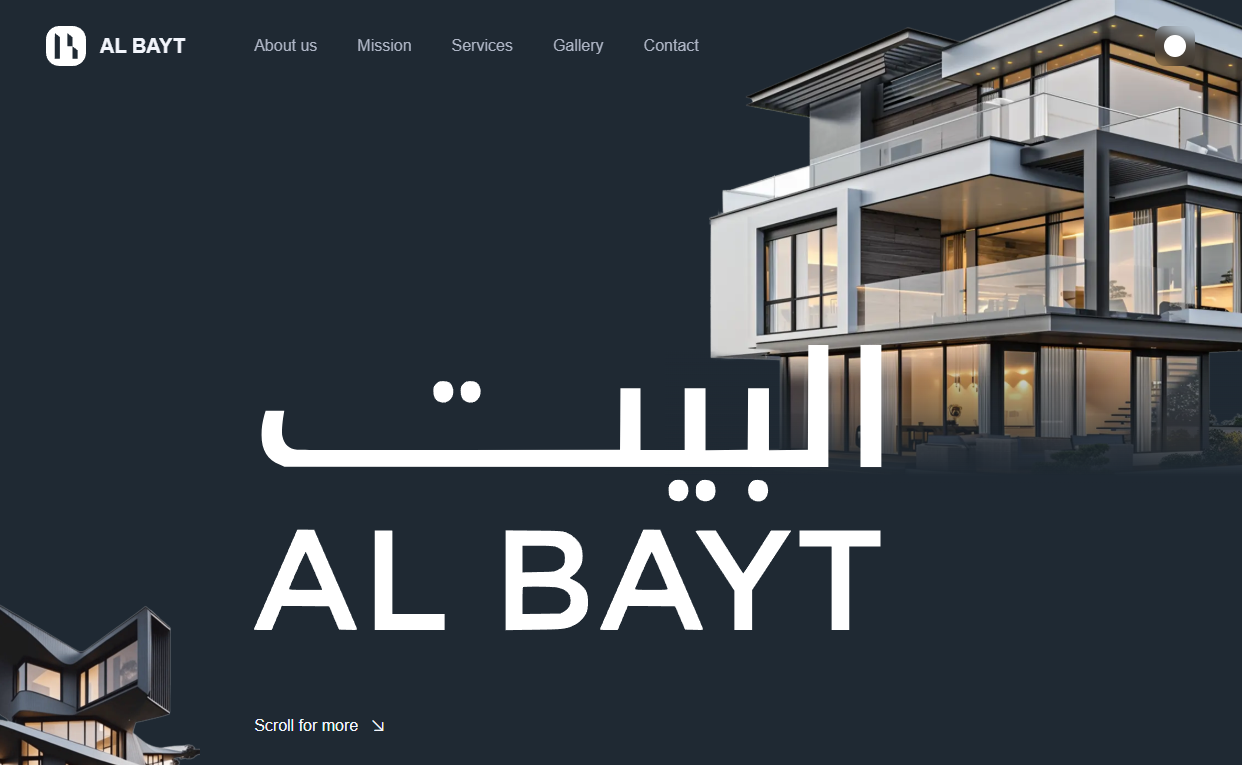
Al Bayt Qatar — Websites by MoonDev

Websites

Al Bayt Qatar

Al Bayt Qatar: website for a Qatari construction and real estate company.
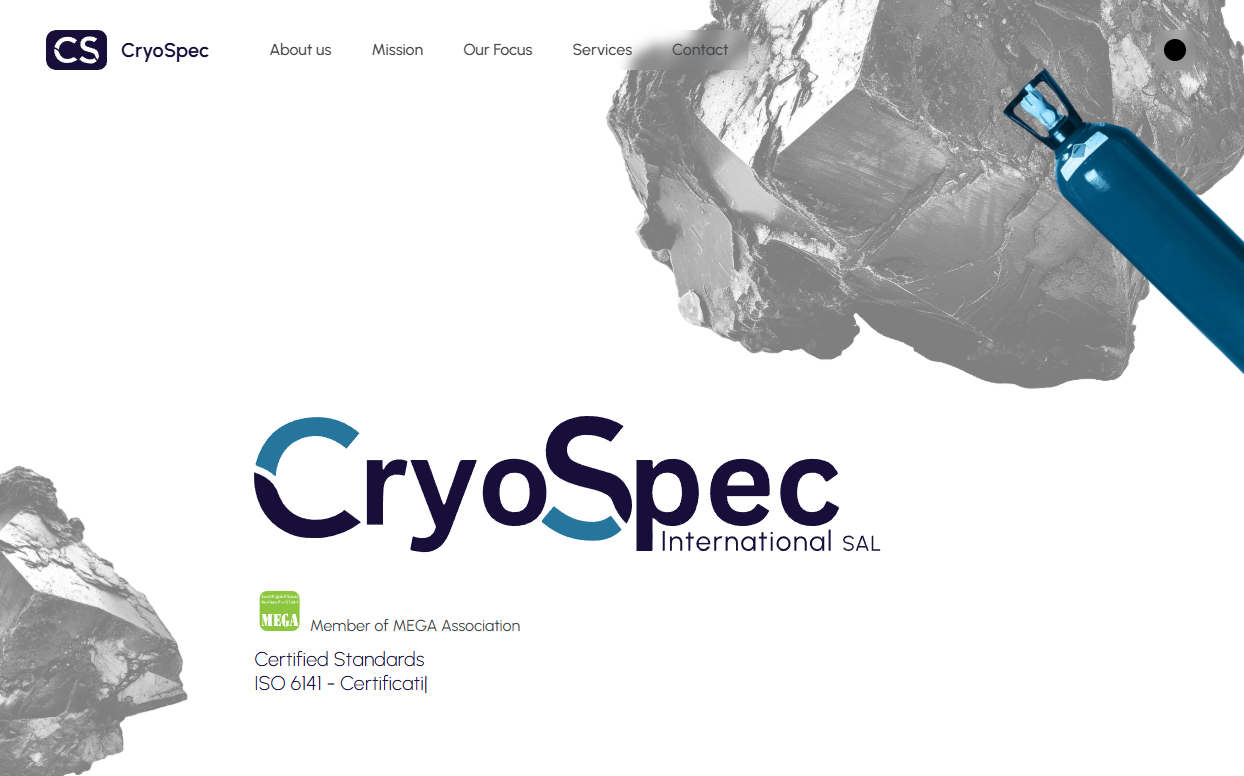
Cryospec — Websites by MoonDev

Websites

Cryospec

Cryospec: corporate website for a specialty-gas supplier serving MENA and Sub-Saharan Africa.

Img - Construction — Websites by MoonDev

Websites

Img - Construction

IMG Construction: corporate site for a contractor operating in Nigeria and Equatorial Guinea.

Questa Education — Websites by MoonDev

Websites

Questa Education

Questa Education: AI learning platform (PWA) with personalised plans and auto-generated assessments.
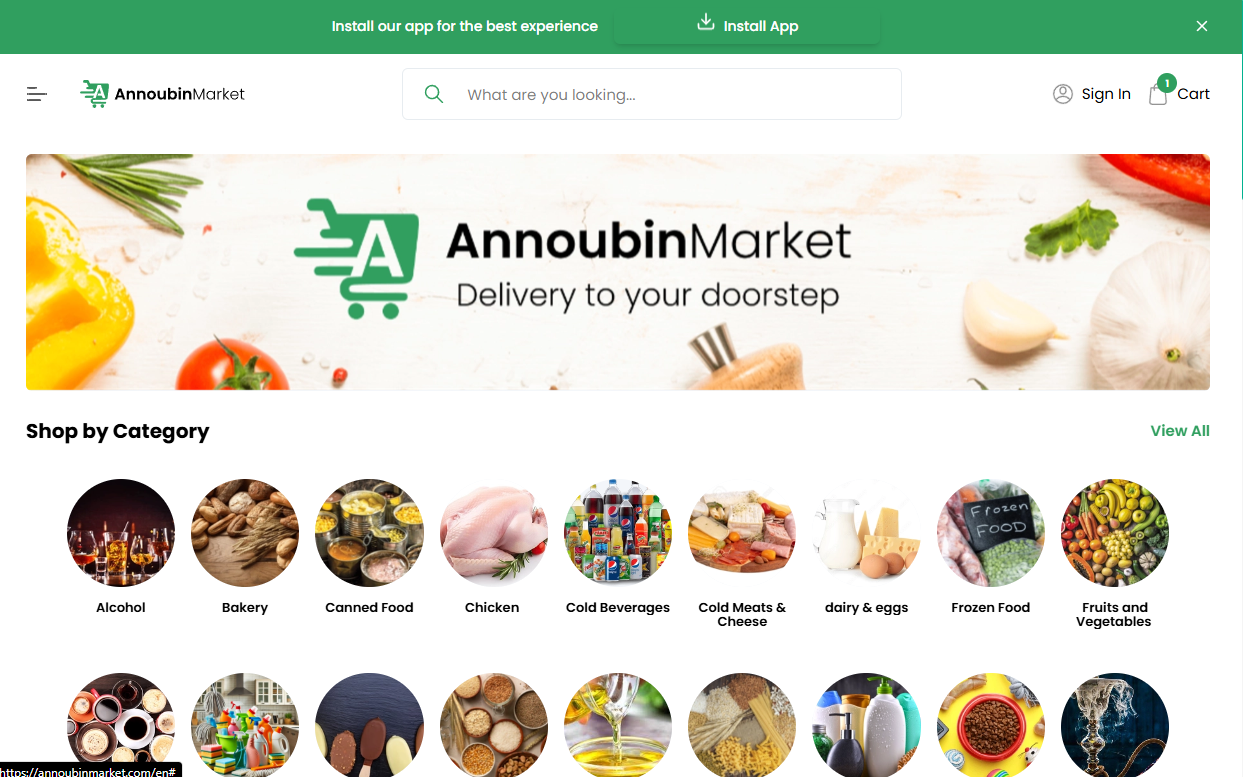
Annoubine Market — Websites by MoonDev

Websites

Annoubine Market

Annoubine Market: delivery PWA with real-time notifications and a built-in loyalty programme.

All web projects

In depth

Details

What we build

Five ways to engage the studio, from one engineer to a squad that stays on your roadmap.

Dedicated offshore team

Before anyone writes code you get the names, the roles and what each person has already shipped. You meet them on a call, and a poor fit is changed before the sprint, not after a month. From then on they work only on your roadmap. You set the order. One person from our side is on your call, and you get a staging link each sprint. Design or QA can join for a stretch when the roadmap needs it. The engineers stay.

Staff augmentation

One senior specialist joins your team for a gap you already know: a Next.js engineer, a Three.js developer, or someone to put an AI feature into a product that exists. They use your repository, your tickets and your standup, and you assign the work the way you assign it to your own people. MoonDev stays in the background for the contract. If the person is a poor fit, we say so in the first sprint and propose another name from the studio, or we stop.

Web and mobile development

Fixed-scope delivery

You own the outcome, we own the build. A website, a progressive web app, a 3D configurator or an AI feature. The quote lists what will be delivered and what will not. You review it on a staging link, on your own phone, before it goes live. A change after that list is agreed is a new quote. At launch the repository is yours.

Live: Fly Event Management, Cryospec, Questa Education

White-label for agencies

Marketing, product and software agencies bring us in for the build behind their own client. We can stay invisible, or be introduced as the technical partner. You keep the relationship.

Taking over an existing codebase

We start with a short audit of the stack, the hosting and the risks, then either stabilise what you have or rebuild it with a migration plan. The repository moves into your name if it is not already.

Who uses it

Where remote delivery from Lebanon already runs, and who the same model is for.

Product teams in Europe

London, Berlin and Paris share the studio day: Lebanon is two hours ahead of London and one hour ahead of Berlin all year, so a morning standup lands in our morning. We have not published a European client name on this site. The model is the one already used for Gulf and African clients: your repository, a staging link each sprint, English as the default.

Product teams in North America

A 09:00 start in New York is 16:00 in Lebanon, in winter and in summer, so the East Coast morning overlaps the end of our day. West Coast overlap is shorter. We have not published a North American client name.

Companies in the Gulf

Fly Event Management operates across the UAE, Saudi Arabia and Qatar. Al Bayt is a construction and real estate company in Qatar. Dubai sits one hour ahead of Lebanon in summer and two in winter, so the Gulf afternoon is still inside the studio day.

Example: Fly Event Management, Al Bayt Qatar

Companies in Africa

Cryospec supplies specialty gases across MENA and Sub-Saharan Africa. IMG Construction operates in Nigeria and Equatorial Guinea. Both are maintained from Lebanon.

Example: Cryospec, Img - Construction

Agencies

Agencies that sell the relationship and need a studio for the engineering. The offshore page is the engagement; the build itself is web, 3D, augmented reality or AI.

3D web experiences

What's included

  • Named people, agreed before the engagement starts
  • Work in your repository, or a repository we open in your name
  • English as the default language, with Arabic and French when you need them
  • One person accountable for communication
  • A staging link each sprint, on a device you already own
  • Code review before merge, and a cybersecurity review before launch
  • Written handover if you stop: repository, access and the notes to run it

How it works

  1. Name the people. We map the roadmap to roles and send you the names before anyone starts, with the role and the kind of work each person has already shipped. You meet them on a call. If someone is wrong for the work, the name changes before the sprint. We do not rotate anonymous seats onto the engagement later.
  2. First sprint. The first sprint is paid, and it is a slice of your real backlog, not a sample we already built. The slice is written down: what will be on the staging link at the end, and what is out. You finish the sprint with that link, the commits in your repository, and a short note on what we would do next. You then continue, add a person, or stop.
  3. A normal week. We join the tools you already use, and your standup when you have one. Lebanon overlaps the European morning, so that call can be on your clock. Once a sprint you get a staging link that opens on a phone or laptop you already own. One person on our side speaks for the squad. The others build. You are not running five inboxes.
  4. Scale. A new role is added only after a sprint has earned it, and only when that person is actually free. The studio is twelve people, so we say so when a role is not free instead of promising a hire we have not made.
  5. Review. Each quarter we look at what shipped, what slipped, and whether the cost still matches the squad. The engagement renews because that review says so. There is no lock-in past the period you agreed.
  6. If you stop. You keep the repository, the commit history and any hosting account opened in your name. We send a short handover: where it is deployed, which settings matter, and what was left unfinished. Our access comes off when you say that note is enough. Keeping us on hosting after that is a separate month, and you can end it.

What affects the price

We quote per project, within one working day, once the scope is clear. These are the variables that move it.

  • Seniority of each role
  • How many people, and for how many months
  • Whether you need a dedicated squad, one specialist or a fixed scope
  • How much of the product already exists
  • Security, access and review requirements
  • Languages and the hours you need covered
  • Handover and documentation at the end

Tell us the roles, the roadmap and the tools you already use. We reply within one working day with the people we would assign, what the first sprint would ship, and what moves the price. No recruitment fee.

Dedicated team, one specialist, or a fixed scope

Dedicated teamStaff augmentationFixed-scope project
WhoA named squad working only on your roadmapOne specialist inside your existing teamMoonDev delivers an agreed scope end to end
Best forA product that needs a stable crew for monthsA gap in web, 3D, AI or mobileA website, app or feature with a clear end
How you manageYour priorities. We report what shippedYour standups and your ticketsMilestones and a staging link
CodeYour repository from the first commitYour repositoryHanded over at launch. You own it
A normal weekYou set the order of work. We join your standup if you have one, and you get a staging link each sprintThey take tickets in your board and sit in your standup. You manage them as you manage your own teamYou review the next milestone. There is no daily backlog to run
Who speaksOne person on our side. The others buildThe specialist, and one MoonDev contact if something is blockedThe person who scoped the work
If you stopYou keep the repo and the history. We remove our access after a short handover noteSame. Their access ends when you say the handover is doneYou already have the repo. The note covers how to run what shipped

All three use the same studio. There is no separate bench, and no recruitment fee. Stopping after the first sprint is a normal outcome.

Technology

Next.js, React and TypeScript · Tailwind CSS · Supabase or Firebase · Three.js and WebGL · Progressive web apps · The model picked per AI job

Built in Byblos, Lebanon. Serving Beirut, the Gulf and clients abroad remotely.

Full overview

A named team in Lebanon, on your roadmap, during your day. Dedicated engineers in Lebanon take a place on your roadmap: a stable squad, one specialist, or a fixed scope delivered end to end. Public remote work includes Fly Event Management (UAE, Saudi Arabia and Qatar), Al Bayt Qatar, Cryospec (MENA and Africa) and IMG Construction (Nigeria and Equatorial Guinea).

For a company in Europe this is nearshore: Lebanon is two hours ahead of London and one hour ahead of Berlin all year. For a company in North America it is offshore, and a 09:00 start in New York is 16:00 in Lebanon. The working languages are English, Arabic and French.

Outsourcing is handing work to another company. Offshore means that company sits in another country. Most offshore vendors sell seats. We staff named people from the same studio that already ships the public projects on this site, and one person on the engagement is accountable for communication. The office is in Byblos, 40 km north of Beirut.

The work is what the studio already builds: Next.js websites and progressive web apps, Three.js and WebGL, browser-based augmented reality, and AI features inside an existing product. On-site 360° capture still needs a visit in Lebanon. The build, the hosting and the iteration are remote. You own the repository from the first commit.

Related services

All services · Browse all 38 projects

Last updated · MoonDev Solutions, Byblos, Lebanon

FAQ

Questions

How is a team in Lebanon different from an offshore vendor in India or Eastern Europe?

Time zone and who you actually get. Lebanon is two hours ahead of London and one hour ahead of Berlin all year, so the European workday overlaps ours, and a New York morning overlaps our late afternoon. The people are the same studio that ships the public projects on this site, not an anonymous bench. English is the default, and Arabic and French are spoken in the studio.

What is the difference between outsourcing and offshore development?

Outsourcing means another company does the work. Offshore means that company is in another country. This service is both: MoonDev in Lebanon takes a dedicated team, a single specialist or a fixed scope for a client outside the country. For a European company the time difference is small enough that many buyers call the same thing nearshore.

What does offshore development from Lebanon cost?

A monthly rate per role once the squad is agreed, or a fixed price when the scope is fixed. Seniority, squad size and the length of the engagement move the number. There is no recruitment fee and no published rate card. You get the figure in writing within one working day of the scoping call.

How quickly can a team start?

A first engineer or a small squad can start once the scope is agreed, because the people are already in the studio. We do not recruit a new team against your brief. A larger squad grows one role at a time, after a sprint has shipped something you can review.

How do you handle communication and time zones?

Lebanon is two hours ahead of London and one hour ahead of Berlin all year. Dubai is one hour ahead in summer and two in winter. A 09:00 start in New York is 16:00 in Lebanon. We work in English by default, join the tools you already use, and one person on the engagement is the contact for communication.

Who owns the intellectual property?

You do. The repository is yours from the first commit, hosting accounts can sit in your name, and the contract assigns the work to you. If the engagement ends, you keep the code and the history. We will keep hosting and supporting it when you want that, and you can leave with the repository when you do not.

Can we start with one engineer before a full team?

Yes. A paid first sprint, or a single engineer inside your team, is how we prefer to start. You judge the work at the end of that sprint, then add people only if it earned the next month.

Do you only outsource web development?

No. An offshore squad can do the work the studio already ships: Next.js and progressive web apps, Three.js and WebGL, browser-based augmented reality, and AI features inside a product. On-site 360° capture still needs a visit in Lebanon. The build and the hosting of that tour are remote.

Start a squad

Tell us the roles and the roadmap. We reply within one working day with named people and a scope.

Start a projectSee all projects

info@moondev.solutions+961 81 81 00 57WhatsApp